Going back to the basics often means tackling some complex topics. Here, we take a closer look at what mitigation, adaptation, and resilience mean.
The definitions are simple:
Climate mitigation
Climate mitigation is taking action to slow or stop anthropogenic climate change; in short, reducing GHG emissions. This includes actions such as reducing energy use, preventing deforestation, and protecting our oceans.
Climate adaptation
Climate adaptation is taking action to manage the risks of climate change impacts; in short, protecting us from the consequences of climate change. This includes actions such as designing buildings to be more resilient to extreme weather, renovating water drainage systems to be able to cope with flooding, and installing water storage systems to reduce water use. Controversially, it can also mean finding opportunities from the effects of climate change, as it is about adapting to our new future. For example, opening a vineyard in southern England.
Climate resilience
Climate resilience is building the capacity to cope and recover from the impacts of climate change; in short, whether something can bounce back or withstand the impacts.
All three categories fit together – we need climate mitigation, adaptation, and resilience to survive this crisis.
However, the complication lies in the fact that often an action does not sit in one bucket.
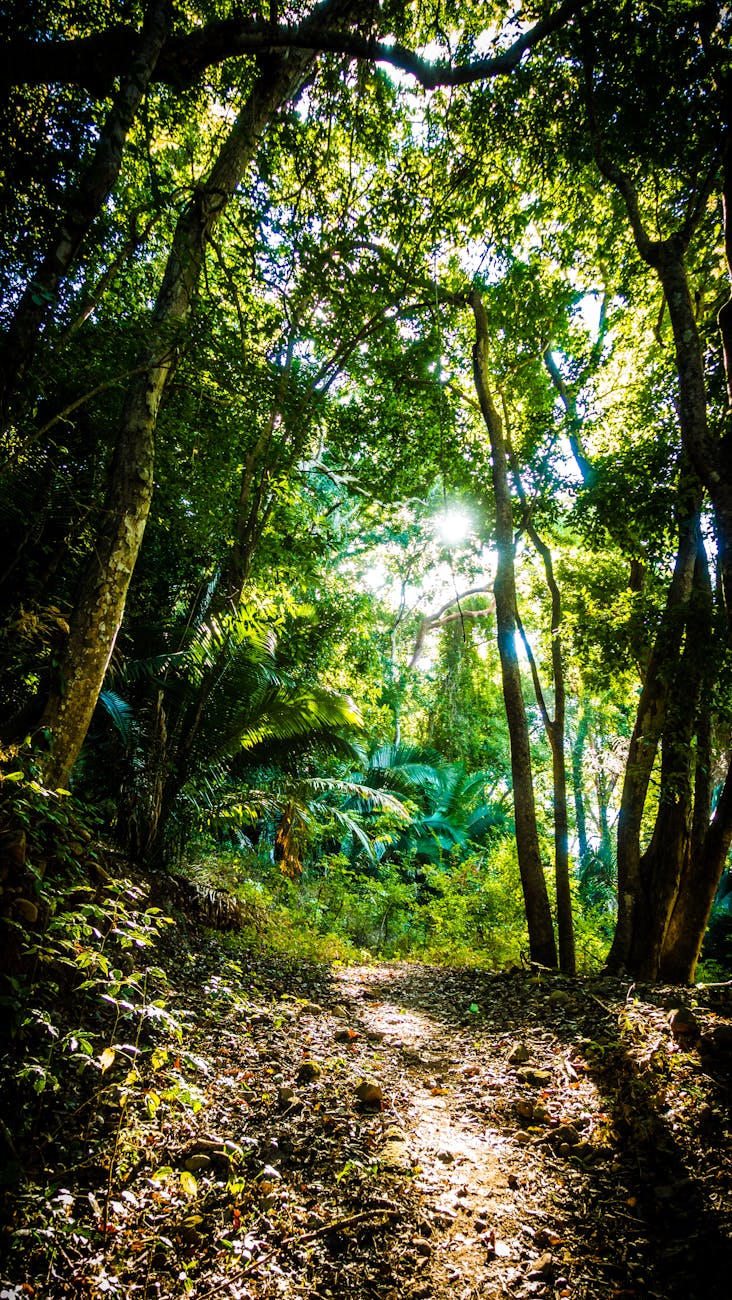
Example: planting trees
Trees act as a carbon ‘sink’, taking in and storing CO2. By taking carbon dioxide in and storing it away, we are reducing the concentrations of greenhouse gases in the atmosphere, reducing the greenhouse effect, and slowing climate change.
However, planting trees is also a good climate adaptation action. Properly managed ecosystems can help to reduce the impacts of flooding and heat stress.
Therefore, planting trees helps build resilience as it reduces the risk (by slowing climate change) and helps us cope with the impacts of climate change. We’re less likely to see extreme flooding and more likely to survive it, thanks to increased areas of forestry.
 The Climate Communicator